Planning a home renovation project? Get a personalized estimate or check a quote you already have.
How much does it cost to remodel a house?
A whole-house remodel runs $40,000 to $200,000+. That range is huge because “remodel a house” can mean repainting every room and swapping light fixtures, or it can mean ripping the place down to the studs. From the 170+ estimates in Quotsey's database — heavily weighted toward Rhode Island and southeastern Massachusetts — most people land somewhere between $50,000 and $120,000 for a mid-range job that covers the kitchen, a bathroom or two, new flooring, and paint.
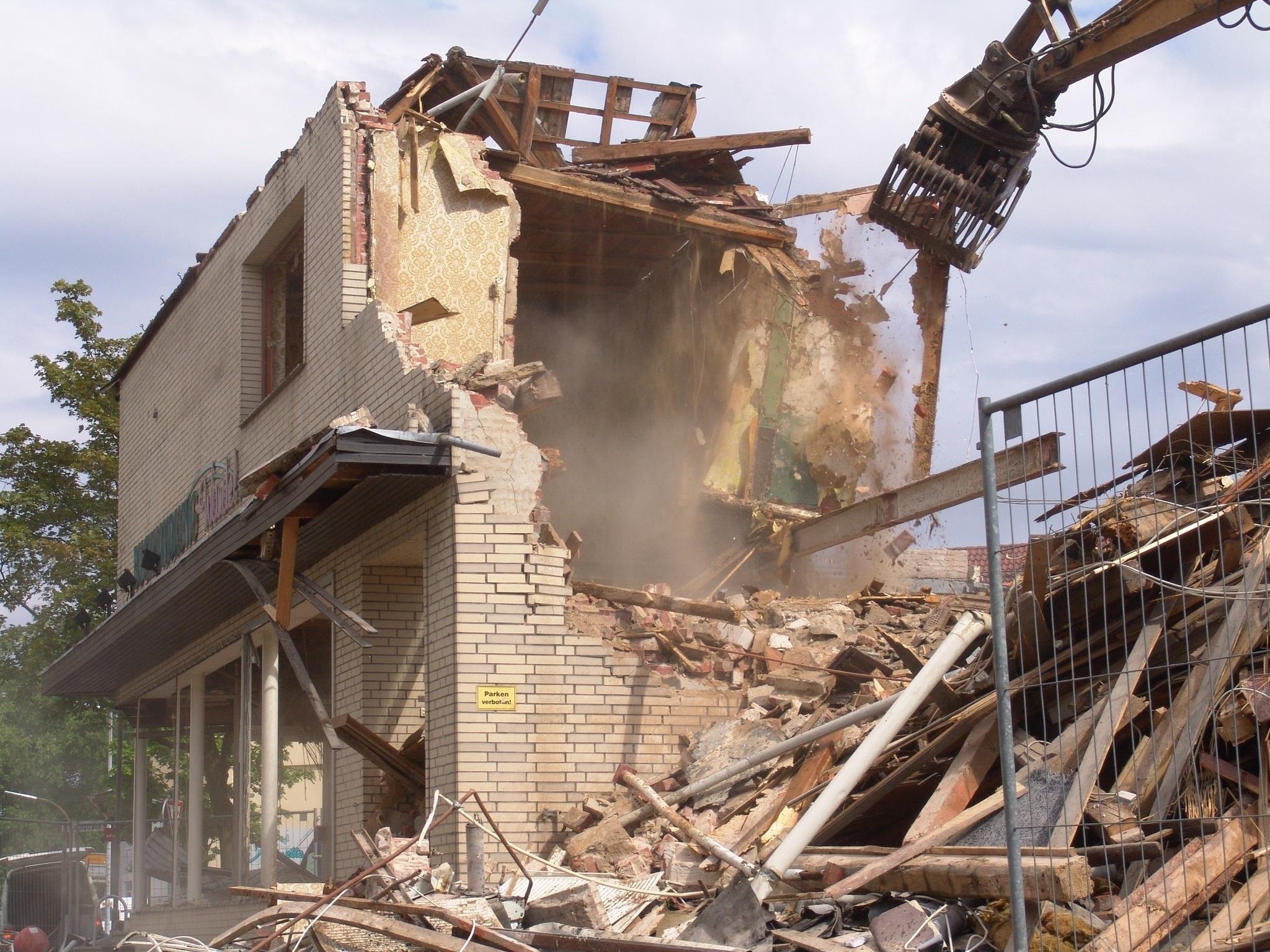
A full-house project is really just a bunch of smaller projects stacked on top of each other. Each piece has its own price range, its own contractors, and its own headaches. Below is what each one actually costs, so you can build a realistic number instead of guessing at a lump sum.
Cost by renovation scope
How deep you go is the single biggest factor. Three rough tiers:
| Scope | Typical cost | What's included |
|---|---|---|
| Cosmetic refresh | $15,000 – $40,000 | Paint, flooring, fixtures, hardware, minor updates |
| Mid-range remodel | $50,000 – $120,000 | Kitchen, 1-2 bathrooms, flooring, paint, some systems |
| Gut renovation | $100,000 – $200,000+ | Full demo, new layout, all systems, structure |
Per square foot, that's roughly $20 to $50 for cosmetic, $50 to $100 for mid-range, $100 to $150+ for gut. National ranges. In Rhode Island and southeastern Massachusetts, tack on 15 to 20% for labor.
Room-by-room breakdown
Most people start with the kitchen and a bathroom, then figure out what else the money will stretch to. Here's what each piece costs based on our quote data:
Kitchen
The kitchen eats the biggest chunk of any renovation budget, and it's not close. A cosmetic refresh — paint the cabinets, new hardware, new countertops — runs $5,000 to $15,000. A mid-range remodel with new cabinets, countertops, appliances, and flooring: $15,000 to $55,000. Across 50 kitchen estimates in our database, the median lands right around $18,000. A gut job with layout changes and custom everything can blow past $80,000.
Full breakdown: Kitchen remodel cost guide
Bathrooms
A half-bath update starts around $2,000 to $6,000. A full bathroom remodel runs $6,000 to $16,000 — the median across 16 Quotsey estimates is about $11,500. Master baths with tile showers, double vanities, and heated floors push $15,000 to $35,000+. Most whole-house jobs include at least one full bathroom.
Full breakdown: Bathroom remodel cost guide | Small vs. master bathroom costs
Flooring
Flooring costs $3 to $22 per square foot installed. For a 1,500 sq ft house, that means vinyl plank at $4,500 to $10,500, or hardwood at $18,000 to $33,000. The median across our flooring estimates is about $9,500. Most mid-range jobs end up with luxury vinyl plank or engineered hardwood, somewhere in the $6 to $12 range.
Full breakdown: Flooring installation cost guide
Interior painting
Interior painting runs $2 to $6 per square foot, or roughly $3,000 to $8,000 for a whole house. It's part of basically every renovation. Schedule it after drywall work and before flooring goes in.
Full breakdown: Interior painting cost guide
Systems and structure
None of this is visible when you're done, but it keeps the house running. Not every renovation needs all of these. But if your house is 40+ years old, plan on at least one or two showing up in the budget.
| System | Cost range | When to replace |
|---|---|---|
| Roof | $5,000 – $30,000+ | Every 20-30 years (asphalt), sooner if leaking |
| HVAC | $3,500 – $15,000+ | Every 15-20 years, or if efficiency has dropped |
| Electrical panel | $1,500 – $8,300 | If under 100 amps or using fuses |
| Windows | $300 – $1,200 each | Single-pane, drafty, or won't open/close |
| Insulation | $1 – $5 per sq ft | During any wall-open renovation |
| Water heater | $800 – $3,500+ | Every 8-12 years, or if it's rusting |
| Basement waterproofing | $2,000 – $10,000+ | If there's any moisture or musty smell |
If you're opening walls for a kitchen or bathroom remodel, that's the cheapest time to upgrade insulation, electrical, and plumbing. The labor to access those systems is already paid for. Doing it as a separate project later means paying someone to open and close the walls again.

Exterior work
Exterior work often gets bundled into a whole-house renovation, especially if you're selling or the house hasn't been touched in 20+ years.
- Exterior painting: $3,000 to $10,000+
- Siding: $6 to $16 per sq ft installed ($5,000 to $20,000+ for a full house)
- Gutters: $1,000 to $5,000+ (see our gutter cost guide for pricing by material)
- Deck: $6,000 to $30,000+ (median $16,000 from our estimates)
- Driveway: $3,000 to $15,000+
- Fencing: $15 to $75 per linear foot
- Garage door: $800 to $4,000+
Already have renovation quotes? Run them through Quotsey to see how they compare against verified contractor data for your region.
What a house remodel costs in RI and southeastern Massachusetts
If your house is in Providence, Warwick, Cranston, Fall River, New Bedford, or Taunton, plan for 15 to 20% above the national ranges listed above. A $75,000 remodel in a mid-cost market becomes $85,000 to $90,000 here.
Labor is the obvious one. The trades are busy and southern New England rates are higher than most of the country. Electricians, plumbers, and HVAC techs in the Providence metro charge $75 to $130 per hour depending on license tier, which is 20 to 40% above the national median.
But the housing stock is what really gets you. A huge share of homes in this region were built before 1950. That means knob-and-tube wiring, galvanized plumbing, lead paint, plaster walls, irregular framing. Every one of those adds scope. You can't just swap cabinets when the kitchen has 60-amp service and lead pipes feeding the sink.
Permitting adds time and cost too. Rhode Island requires permits for most renovation work, and inspection timelines vary by town. Some municipalities in Bristol and Kent counties have 2 to 3 week inspection waits, which stretches the project and adds to contractor overhead. Over in Massachusetts, towns like Fall River and Taunton have their own permit structures, typically $500 to $2,000 extra depending on scope.
If you're renovating a pre-1920 house in this area, budget a 10 to 15% contingency on top of your contractor's quote. Something will come up behind the walls. It always does. And before you sign with anyone, read our guide on how to avoid contractor scams — it's especially relevant in markets where demand outpaces supply.
Where the money actually goes
On a typical mid-range renovation, the money splits roughly like this:
- Kitchen: 25-35% of total budget
- Bathrooms (combined): 15-25%
- Flooring: 10-15%
- Systems (HVAC, electrical, plumbing): 10-20%
- Painting: 5-8%
- Everything else (lighting, doors, trim, cleanup): 10-15%
Kitchen and bathrooms together eat 40 to 60% of most budgets. If you're trying to keep costs under control, the kitchen is where your choices matter most. Custom cabinets versus semi-custom alone can swing the bill by $10,000 to $20,000.
What order to renovate
Getting the order wrong costs money. You don't want to install hardwood floors before the plumber runs new pipes through the subfloor.
The general sequence:
- Demo and structural work (remove walls, fix foundation issues)
- Rough-in systems (electrical, plumbing, HVAC ductwork)
- Insulation, then drywall
- Interior carpentry (trim, doors, built-ins)
- Painting
- Flooring
- Kitchen and bathroom finish work (cabinets, countertops, tile, fixtures)
- Final electrical and plumbing (outlets, switches, faucets, toilets)
- Cleanup and punch list
Kitchens and bathrooms are usually done as self-contained phases within this because they have their own trades (tile setters, countertop fabricators). A good GC handles the scheduling. If you're running the project yourself, sequencing is where most DIY renovators get into trouble.
What pushes the cost up
Changing the layout
Moving walls, relocating plumbing, or changing the kitchen footprint adds $5,000 to $20,000+. Load-bearing walls need a structural engineer. Even partition walls cost real money to move once you factor in electrical, drywall, and paint. If the layout works, keep it.
Old houses
Lead paint abatement, asbestos removal, rewiring knob-and-tube, replacing galvanized pipes, bringing a 60-amp panel up to 200 amps. Any one of those is $2,000 to $8,000. Stack a few together and you're looking at an extra $10,000 to $30,000. In RI and SE Mass, where most houses are 60+ years old, expect at least one surprise.
Material choices
The gap between builder-grade and premium is wild. A kitchen with Formica countertops and stock cabinets versus one with quartz and custom cabinets? $20,000 to $40,000 difference. Same room, same labor, completely different number.
Doing it while living there
Contractors work faster when the house is empty. If you're living there during the renovation, everything takes longer. Rooms have to be kept livable, dust containment adds steps, and the crew is working around your schedule. Budget 10 to 15% more.
Getting quotes for a whole-house job
Whole-house renovations are harder to bid than single-room projects. Some contractors will quote the whole thing. Others prefer to bid phase by phase. Both are fine, but know which one you're looking at before you compare numbers.
Get at least three bids. On a job this size, the spread between the lowest and highest can be $30,000 to $50,000. That's normal. The cheapest quote isn't automatically bad, and the priciest isn't automatically good. What matters is comparing them line by line to see what each one includes.
For more on evaluating bids: 5 red flags in contractor quotes and how contractors actually price jobs.
Common questions
How much does a whole house remodel cost per square foot?
$20 to $50/sq ft for cosmetic, $50 to $100 for mid-range, $100 to $150+ for gut. In RI and SE Mass, add 15 to 20% to all of those.
What's the most expensive room to renovate?
The kitchen. Not even close. A mid-range kitchen remodel runs $15,000 to $55,000 (median $18,000 across our estimates) and takes up 25 to 35% of most budgets. Bathrooms are second at $6,000 to $35,000+ each.
Does remodeling increase your home's value?
Most projects return 50 to 80% of their cost at resale. Kitchens and bathrooms sit around 60 to 80% ROI. The sleeper moves are cosmetic updates like paint and flooring — they're cheap but have outsized impact on how buyers feel about the house. The biggest risk is over-improving for the neighborhood. A $150,000 kitchen in a $300,000 neighborhood won't pay back.
Related: Home improvements that increase resale value in Rhode Island
What order should you renovate?
Structure and systems first (roof, foundation, electrical, plumbing, HVAC). Then insulation and windows, then drywall, painting, flooring, and finally finish work. Kitchens and bathrooms fit as self-contained phases within that order. See the sequencing section above for the full list.
Should I hire a general contractor or manage the project myself?
For a whole-house job, a GC is almost always worth the 15 to 20% they add. They handle sequencing, subs, permits, and inspections. On a $100,000 project, trying to save $15,000 by managing it yourself usually costs more than that in mistakes, scheduling gaps, and delays. Being your own GC on a single-room remodel? Totally doable. On a whole house, it's a full-time job.
In RI and SE Mass, most mid-range whole-house renovations land between $50,000 and $120,000. The kitchen and bathrooms will take the biggest share. Old-house surprises will take the rest. Get three quotes, compare them line by line, and keep 10 to 15% in reserve for whatever shows up behind the walls.
For more on what projects cost in this region: Home improvement costs in New England
Have a quote? Check it.
See how your renovation estimate stacks up against verified contractor quotes for your project type and area.