Planning a HVAC project? Get a personalized estimate or check a quote you already have.
The real cost of skipping HVAC maintenance
Nobody thinks about their HVAC system when it's working. No weird noises. No warm air in July. No error codes. So the annual tune-up gets pushed off, again, because spending money on something that isn't broken feels like a waste.
The thing is, HVAC systems don't fail all at once. They fail gradually, over months, in ways you can't see or hear. By the time you notice, the $150 fix has usually turned into a $1,500 one. This post breaks down what maintenance actually costs versus what skipping it costs. The gap is wider than most people expect.
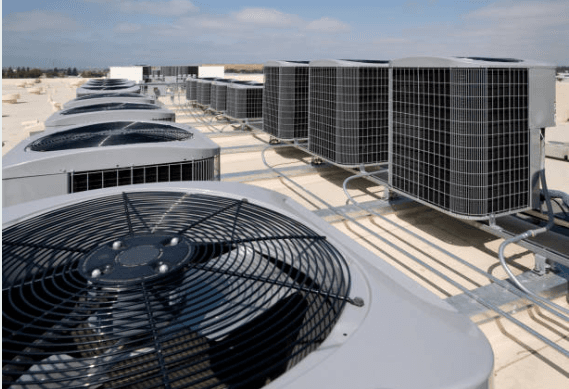
What an HVAC maintenance agreement actually costs
About $225 a year. That is $18 a month, less than most streaming subscriptions and roughly the price of one dinner out.
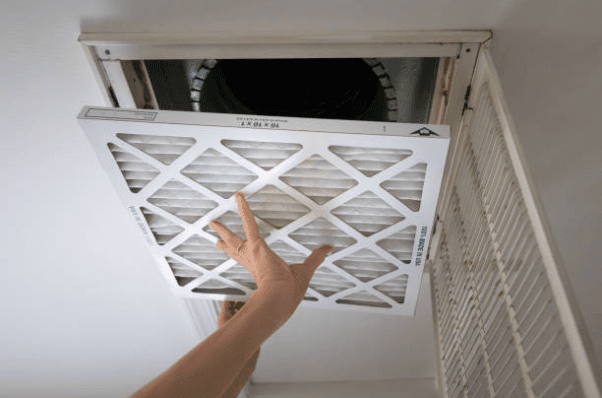
For that, most plans include two visits per year: one before cooling season and one before heating season. Each visit covers filter inspection and replacement, coil cleaning, a refrigerant level check, electrical connection tightening, thermostat calibration, lubrication of moving parts, drain line flushing, and safety control checks.
That is a lot of stuff for $225. Now look at what happens when you skip it.
What neglected systems actually cost you
Emergency repair calls: $150 to $500+ before any work starts
Your AC dies at 8pm on a Saturday in July. It is 95 degrees. You are not getting a standard service call. You are getting an emergency rate, and in the Providence and Fall River area, that means $150 to $300 just for the diagnostic visit on nights and weekends, before anyone touches the equipment.
Systems that get regular maintenance break down less often. When problems do develop, they get caught during a scheduled visit at normal rates instead of an emergency call at premium ones.
Dirty coils: $150 to $600 per year in wasted electricity
Your evaporator and condenser coils transfer heat. When they are coated in dust and grime, which happens on its own over time, they stop doing that efficiently. The system runs longer cycles to hit the same temperature, burning more electricity the whole time.
The Department of Energy estimates dirty coils increase energy consumption by 10 to 30 percent. On an average annual HVAC electricity cost of $1,500 to $2,000, that is $150 to $600 a year going straight to National Grid for no reason. You will not see a line item on your bill that says “dirty coils.” You will just notice the bill is higher than last year and assume rates went up.
Coil cleaning is part of every standard maintenance visit.
Refrigerant leaks: $200 to $1,500 to fix, more if the compressor goes
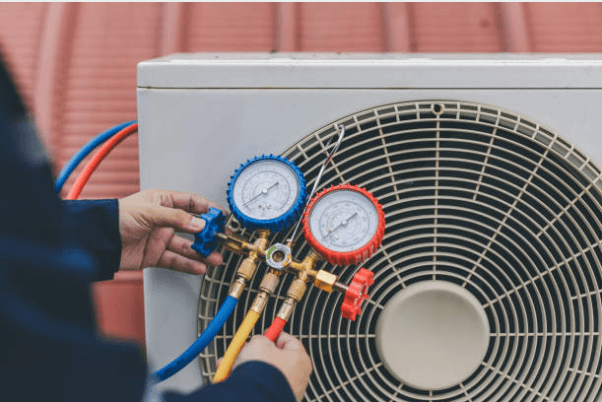
Low refrigerant is one of the most common HVAC problems and one of the easiest to catch early. A slow leak goes undetected for months. Cooling capacity drops gradually. The compressor works harder to compensate. Most homeowners don't notice until the house simply will not cool down on a hot day.
By that point, the leak has often damaged the compressor from running low. A refrigerant recharge alone runs $200 to $600. If the compressor is shot from being overworked, you are looking at $1,200 to $2,500 for a replacement, and at that price point, a lot of contractors will start talking about replacing the whole system instead.
A technician checks refrigerant levels at every maintenance visit and catches leaks when they are still a $200 problem, not a $2,500 one.
Clogged drain lines: $75 to $250 for the fix, $11,000+ for the water damage
Your air conditioner pulls humidity out of the air as it cools. That moisture drains through a condensate line. When the line clogs with algae or debris, water backs up into the drain pan and overflows. In Rhode Island's humid summers, this happens more than you would think.
Clearing the line costs $75 to $250. The water damage to ceilings, walls, and flooring underneath the unit is a different story. The average water damage insurance claim runs $11,000 to $13,000, and plenty of homeowners don't realize the source until drywall is already stained or buckling.
Flushing the drain line takes about 10 minutes during a maintenance visit.
Capacitor and contactor failure: $150 to $400
Capacitors and contactors are small electrical parts that wear down with normal use. When they go, your system simply will not start. Replacement is relatively cheap at $150 to $400 for parts and labor. The problem is timing. These failures almost always happen during peak summer, when every HVAC company in the area is booked out three to five days.
A technician can spot a weakening capacitor on a routine visit and swap it before it fails, on your schedule instead of the unit's.
Early system replacement: $7,000 to $14,000
This is the one that actually matters. A maintained HVAC system lasts 15 to 20 years. A neglected one often needs replacement at 10 to 12 years, sometimes sooner.
Based on Quotsey quote data, a standard residential HVAC replacement in Rhode Island and southeastern Massachusetts runs $7,000 to $14,000 installed in 2026. Losing five years of useful life off a $10,000 system is $2,500 to $4,000 in accelerated depreciation. That is more than a decade of $225/year maintenance agreements.
Put differently: the maintenance you skipped to “save money” cost you more than all the maintenance you would have paid for.
The math side by side
| Scenario | Cost |
|---|---|
| Annual maintenance agreement | ~$225/year |
| Wasted energy from dirty coils | $150 – $600/year |
| One emergency repair call | $300 – $800 |
| Refrigerant recharge (preventable leak) | $200 – $600 |
| Drain line water damage | $1,000 – $13,000+ |
| Replacing system 5 years early | $2,500 – $4,000 in lost lifespan |
The maintenance plan costs $225 a year. A single year of dirty-coil energy waste can exceed that on its own. Add in one emergency call or one preventable repair and you have already blown past a decade of maintenance fees.
“But my system is running fine”
This is what everyone says right before they call for an emergency repair. HVAC systems do not give you much warning. A capacitor does not gradually get louder as it wears out. Refrigerant does not leak faster and faster until you notice. A drain line does not clog a little bit and give you time to react.
“Running fine” and “running efficiently” are not the same thing. Your system can be cooling the house while burning 25% more electricity than it should, slowly leaking refrigerant, and growing algae in the drain line. A trained technician can see all of that on an inspection. You cannot.
What to look for in a maintenance plan
Not all plans are the same. A good one should include two visits per year (spring and fall, not just one), no extra diagnostic fee if something is found during the visit, priority scheduling for repairs if you are on a plan, 10 to 15 percent off parts and labor for any needed work, and a written report of what was checked and what was found.
Some plans also include filter delivery, which is helpful if you are the kind of person who forgets to change them. Most of us are.
In the Providence and southeastern Mass area, most reputable HVAC companies offer some version of this. If you are getting quotes, comparing them side by side makes it easier to see who is including what.
Looking for an HVAC maintenance plan or need a repair quote? Run your quote through Quotsey to see how it compares against verified contractor pricing in your area.
Why this matters more in RI and southeastern Mass
Southern New England gets the full range: humid summers that push AC systems hard and cold winters that run furnaces for five months straight. That is more wear on your system than a moderate climate, and it makes maintenance more important, not less.
A lot of the housing stock in Providence, Cranston, Warwick, Fall River, and New Bedford was built in the 1950s through 1970s with ductwork that has never been properly sealed. Leaky ducts compound the efficiency problems from dirty coils, so the energy waste from skipping maintenance can be even higher than the national averages.
Coastal humidity in towns like Newport, Narragansett, and Dartmouth also accelerates drain line clogs. If you are within 10 miles of the coast, your condensate line is working harder than average and needs to be flushed more than once a year.
Common questions
How much does an HVAC maintenance plan cost?
About $225 per year for two visits. Some companies charge $150 to $300 depending on what is included. Plans with filter delivery or extended parts coverage run toward the higher end.
How much does HVAC replacement cost in 2026?
Based on Quotsey quote data for Rhode Island and southeastern Massachusetts, a standard residential HVAC replacement runs $7,000 to $14,000 installed. Premium systems and homes that need ductwork modifications can exceed that. For more on why prices have climbed, see our post on why HVAC prices keep rising in 2026.
Is an HVAC maintenance plan worth it?
Yes. The energy savings from clean coils alone can cover the cost of the plan. Add in fewer emergency calls, longer system life, and repair discounts, and it is hard to find a reason not to have one.
Can I do HVAC maintenance myself?
You can change filters (and should, every 1 to 3 months). You can keep the outdoor unit clear of leaves and debris. You can pour a cup of vinegar down the condensate drain line a few times a year. Beyond that, the electrical testing, refrigerant check, and coil cleaning require a licensed technician and specialized equipment.
When should I schedule HVAC maintenance?
Spring for AC, fall for heating. Avoid booking in June or July, when every HVAC company is slammed with emergency calls and wait times stretch. March and April are ideal for a cooling-season tune-up.
An HVAC maintenance plan runs about $225 a year. The things it prevents, higher energy bills, emergency repairs, water damage, and early system replacement, can run into the thousands. If you do not have a plan, get one before peak cooling season hits and every HVAC company in your area is booked solid.
For more on HVAC pricing, see our HVAC cost guide or our breakdown of why HVAC prices keep rising in 2026.
Need an HVAC quote?
Compare HVAC maintenance plans, repair estimates, and replacement quotes from licensed contractors in your area.